Search

Allegory for Abraham Ortelius

This superb little drawing on parchment was done by Joris Hoefnagel in 1593 to commemorate his friendship with the cartographer and geographer Abraham Ortelius, as the inscriptions below inform us.

View of the city with poultry market

Filips Galle was one of the most important Antwerp print publishers of the 16th century. This print shows an everyday scene with a number of market stalls at which citizens are inspecting and buying poultry.

Wisdom

Intelligentia or ‘Wisdom’ is a print from a series of eight works by engraver Cornelis Cort. Each picture presents a female personification of a virtue, with a creature at her side.

The knight, Death and the Devil

Jan Wierix was barely 15 years old when he made this engraving. It is an extremely detailed copy of The Knight, Death and the Devil, a work by Dürer. It was common practice to copy masters in the 16th and 17th centuries.

The Print Cabinet

The Print Cabinet of the Museum Plantin-Moretus has more than 20,000 drawings. This rich collection is among the finest in the world, and focuses on Antwerp artists from 1500 to the present.

The Print Cabinet

The Print Cabinet of the Museum Plantin-Moretus has more than 20,000 drawings. This rich collection is among the finest in the world, and focuses on Antwerp artists from 1500 to the present.

Portrait, Sam Dillemans

Sam Dillemans is an enormously versatile artist. Between 1993 and 2000, he perfected the art of the female portrait.

Studies for Beekeepers, Jan Fabre

Work by Jan Fabre can also be found in the Print Cabinet. This drawing is part of a series from 1994, four of which are owned by the Print Cabinet. The theme of the beekeeper often appears in Fabre’s work.

listening Eyes

low-literate young people and adults

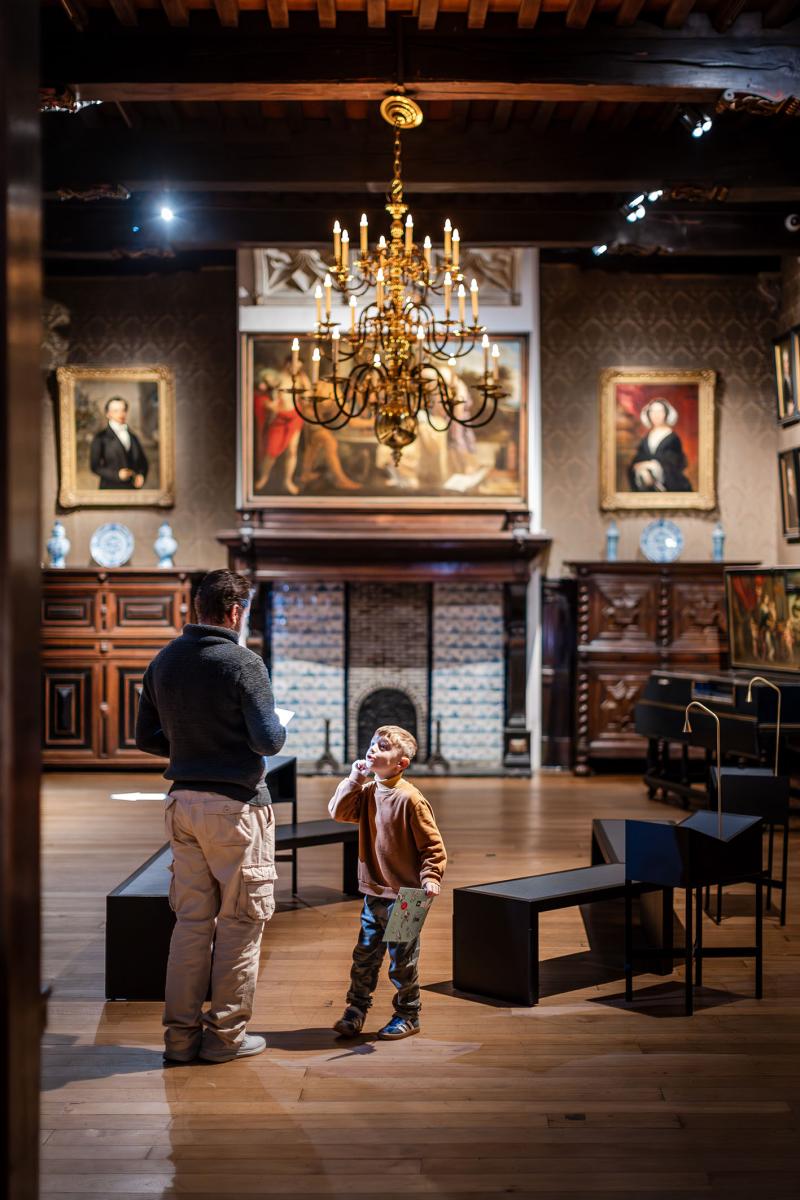
The Museum has developed a set of cards that low-literate young people (and adults) can use to explore the Museum and its rich collections.

Manuscripts

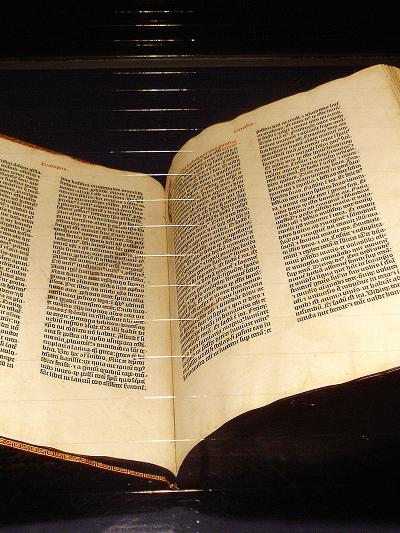
The museum’s collection includes 638 manuscripts, ranging from the ninth to the eighteenth century. The basis of the collection was laid by Christophe Plantin himself: he bought manuscripts that he could use to make book editions of Greek and Roman authors and church fathers. Plantin was also given manuscripts.

Subscribe to our newsletter