Search

Tyndale’s Testament

The pivotal figure in the preparation of the first English Bible translation in print was William Tyndale. His achievement helped unite the English people.

Geometrical and Navigational Compasses

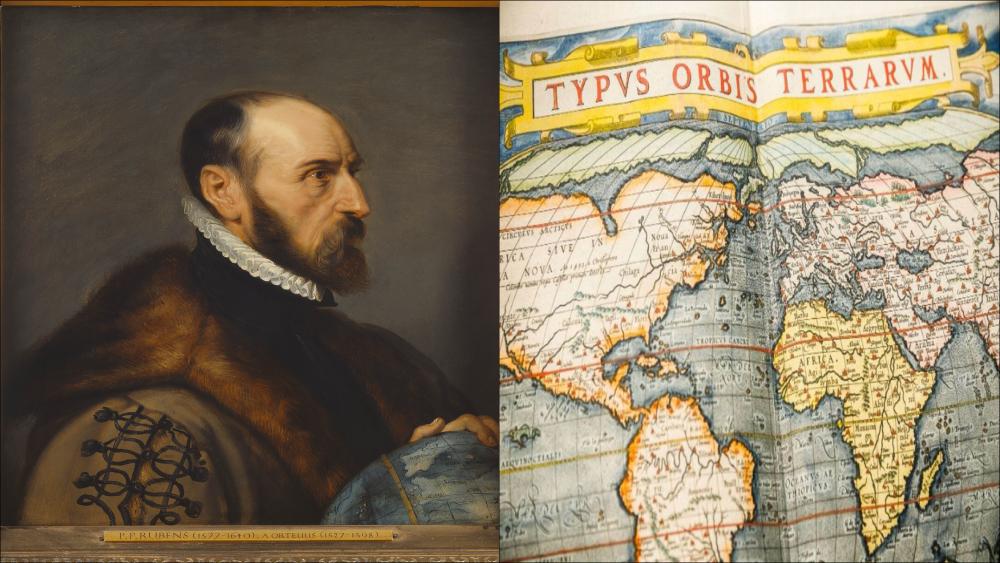
'Geometrical and Navigational Compasses. Southern Netherlandish Capital and Knowledge as the 16th-Century Building Blocks for the East India Company' was the title of this exhibition in 2002, marking the 400th anniversary of the Dutch East India Company. The exhibition focused on two related subjects: Antwerp’s trade outside Europe, and scientific knowledge in the Southern Netherlands in the 16th century.

Arabic Culture and Ottoman Splendour

During Antwerp's Golden Age
01.12.2001 - 03.03.2002 | The Officina Plantiniana and Antwerp played a crucial role in the cultural interchange between the Arab and the Western world. The exhibition gave an outline of that interchange. It was also part of the celebration of the 125th anniversary of both the Plantin-Moretus Museum and the Association of Antwerp Bibliophiles.

The Frans Dille Prize

The Frans Dille Prize is a private initiative in close collaboration with the Museum Plantin-Moretus. The Prize promotes the graphic arts in recognition of the Antwerp artist and personality Frans Dille (1909-1999).

Graphic Rooms

The Free Graphics workshop of the RHoK (Etterbeek Academy of Fine Arts) joined forces with the Museum Plantin-Moretus for this project. The students first built a modular scale model of the entire Museum. They then examined a space of their choice and produced a graphical interpretation of it, which was then incorporated into the model.

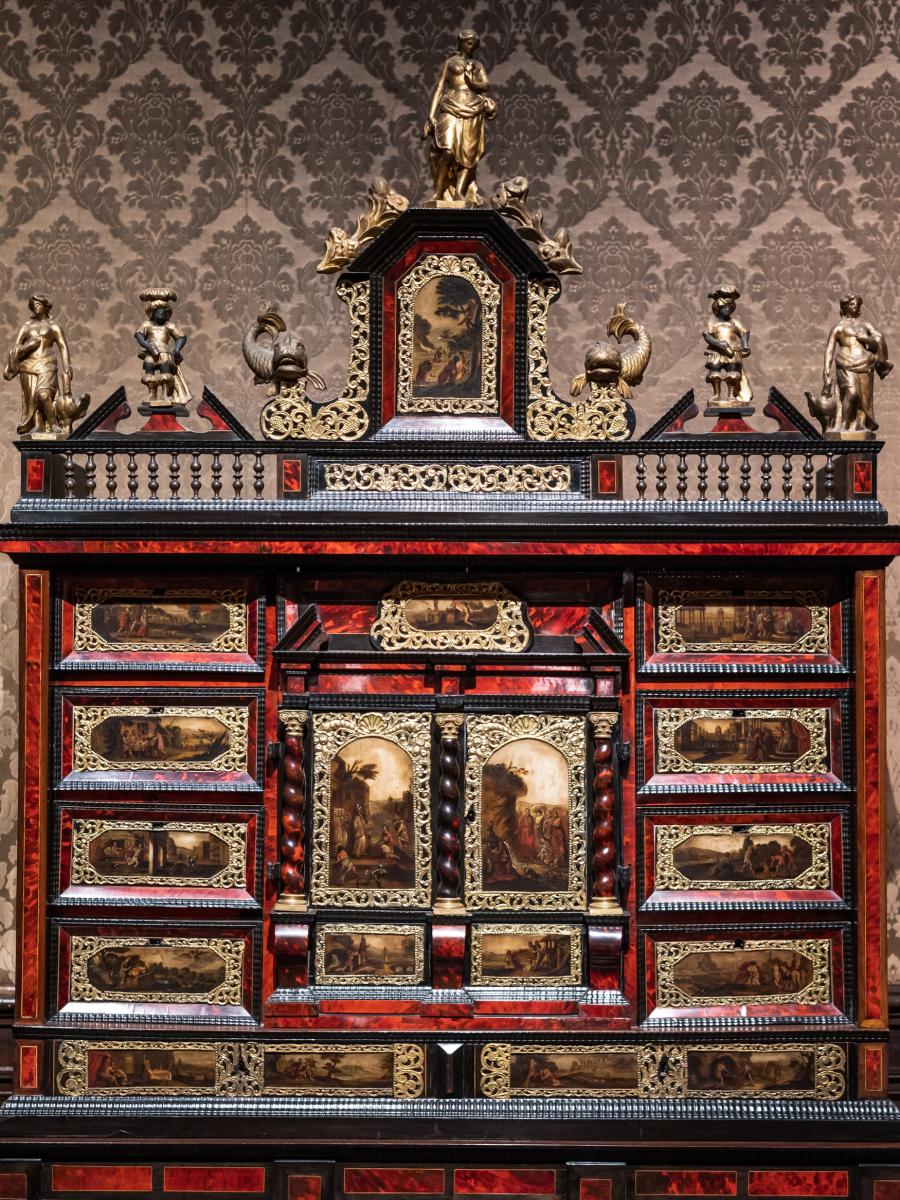
Rosewood curio cabinet

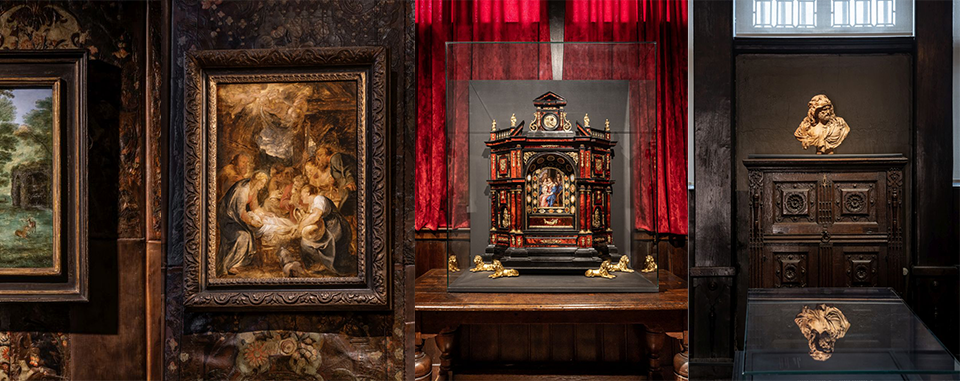
The museum has a rich collection of antique furniture. The rosewood and ebony curio cabinet definitely belonged to the Moretus family. The cabinet is supported by four Moors – a learned allusion to the name Moretus.

The entry of Charles V into Bologna

This print from 1530 shows the triumphal entry of Charles V into Bologna. He was crowned as Holy Roman Emperor there. The artist Robert Péril provided an eyewitness account in this print.

Map of Antwerp

This famous woodcut by Virgilius Bononiensis shows Antwerp in 1565. Bononiensis – or Boloniensis – may have been an Italian from Bologna. The rich trading city of Antwerp attracted many Europeans in the 16th century.

Manuscripts

The museum’s collection includes 638 manuscripts, ranging from the ninth to the eighteenth century. The basis of the collection was laid by Christophe Plantin himself: he bought manuscripts that he could use to make book editions of Greek and Roman authors and church fathers. Plantin was also given manuscripts.

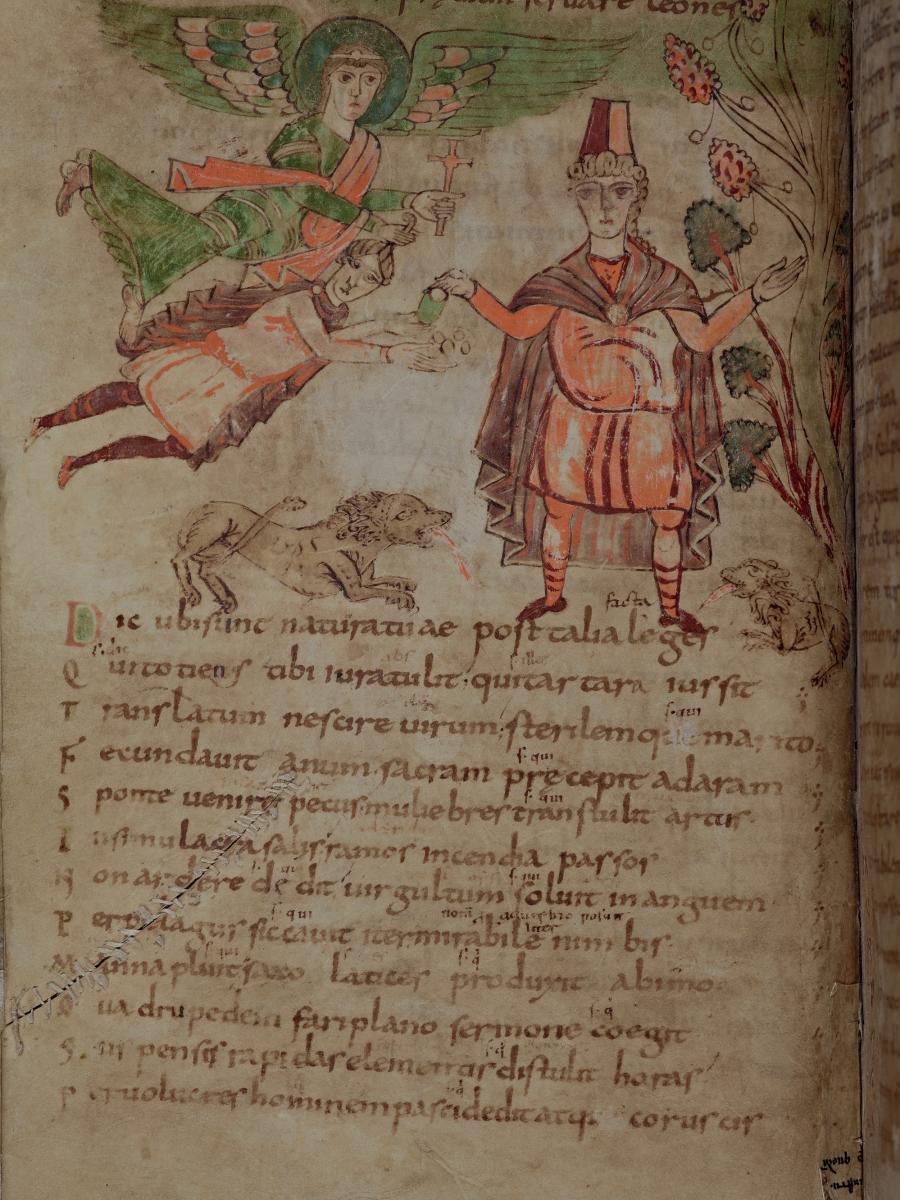
Carmen Paschale by Sedulius (860 AD)

The oldest manuscript in the Museum Plantin-Moretus is a 9th-century gem by the author Caulius Sedulius. This manuscript was created in around 860 in a Liège scriptorium. Christophe Plantin inherited it in 1581.

Subscribe to our newsletter