Mission & Vision
The Museum Plantin-Moretus tells the story of the power of the printed word and its impact on people and society.
More than 1200 sites across the globe are registered on UNESCO’s World Heritage List, and Plantin-Moretus was the very first museum to be included in 2005. But the museum had already previously left its mark in the memory of humanity: in 2001, the company and family archives were registered in UNESCO’s Memory of the World Register.
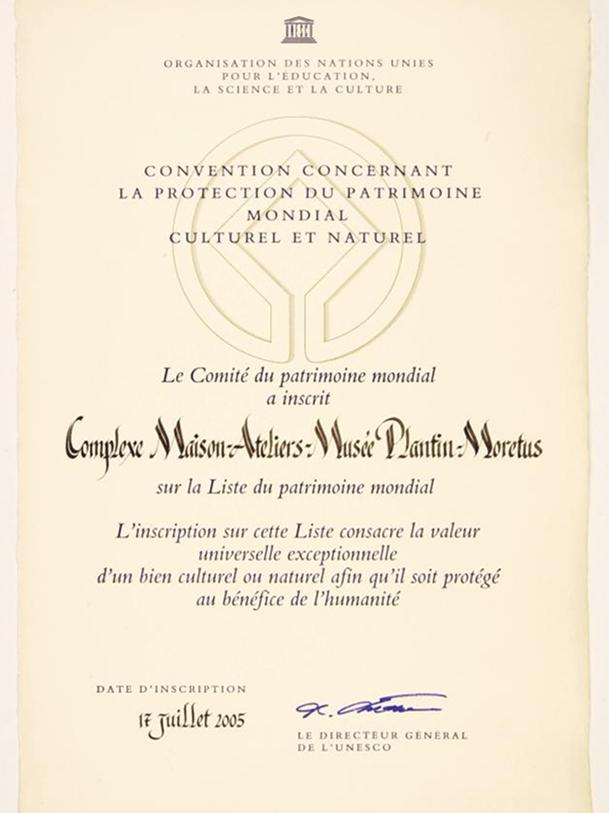
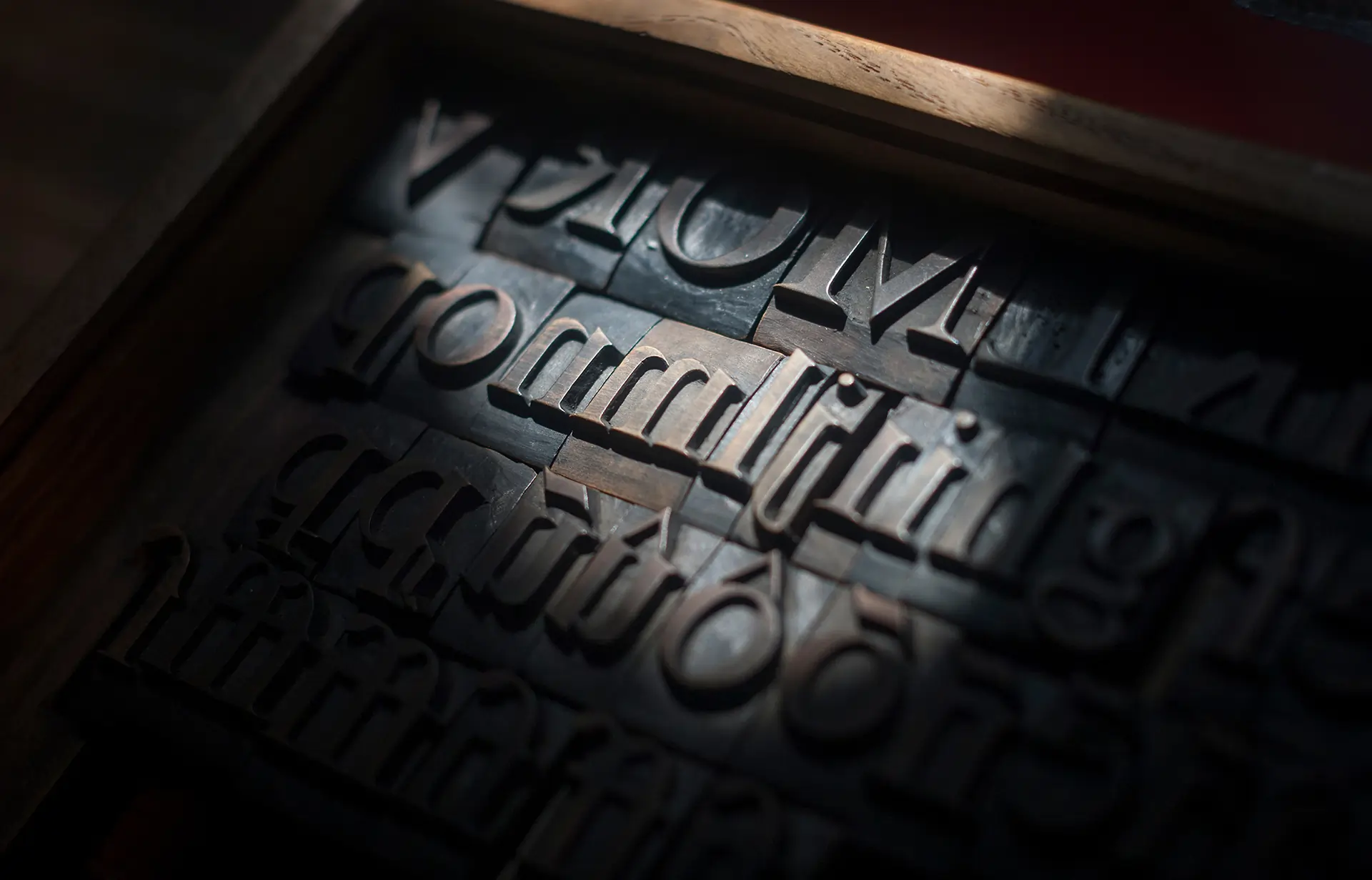
From the Great Wall of China to the Colosseum, Machu Picchu, and the Acropolis: any location that had (or still has) a distinctive influence on the development of humankind earned its place on UNESCO’s famed World Heritage List. That includes the Plantin-Moretus Museum. From this historical family business, a wealth of knowledge entered the world focusing on science, language, architecture, history, culture, and nature. Fresh off the presses and of impeccable quality, using the most advanced techniques available.
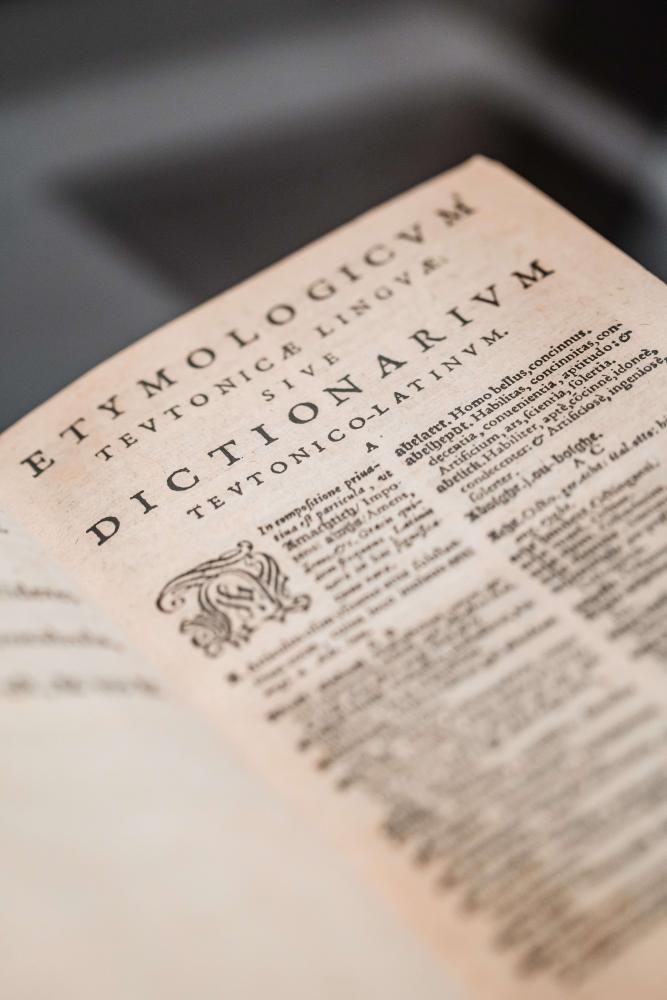
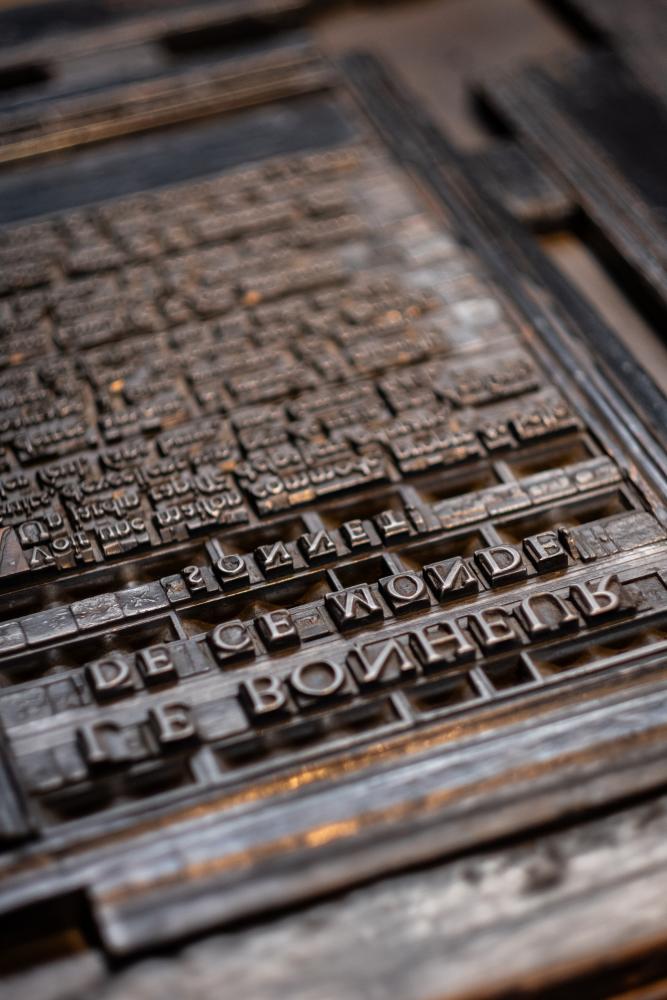
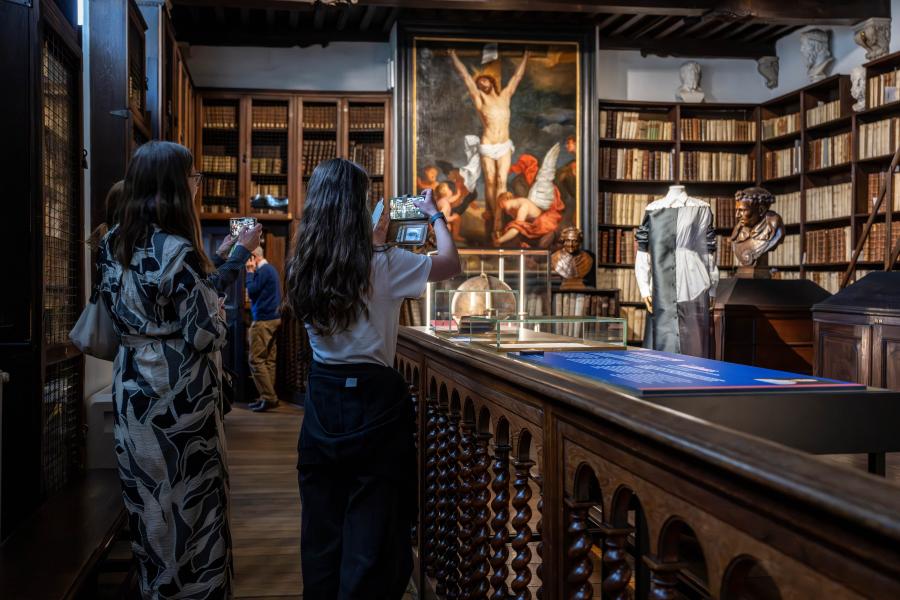
Everything looks exactly as it used to. The prestigious patrician residence, the impressive garden, and the historical printing works, which have retained their charm and appeal for over five centuries – all here to stay. As of July 15, 2005, they belong to UNESCO’s World Heritage List and enjoy its protection as a result. This includes the print cabinet, a collection of more than 75,000 illustrations by artists such as Rubens, Bruegel, Tuymans, and Panamarenko. Side by side and speaking to the imagination, much like the many books in the library.
These treasures cannot be lost to future generations – UNESCO’s purpose is to preserve. In addition to buildings and traditions, valuable documents that relate to the cultural history of humanity are also protected on their own list: the Memory of the World Register. On 4 September 2001, the archives of the Officina Plantiniana were added. Which makes perfect sense, as the company and family archives contain a multitude of information on science, the art of printing, European culture, humanism, and the Counter-Reformation.
What would happen during a war? Over the centuries, vast amounts of heritage have been lost due to human violence. As proud bearers of the Blue Shield, the Plantin-Moretus Museum benefits from additional protection in the event of an armed conflict. The site can never be used for military purposes, and other countries are prohibited from attacking it. Violations may lead to prosecution for war crimes. Did you know that only a handful of sites in the world have been awarded the UNESCO Blue Shield? It’s a true testament to the museum’s impact on the past and future of humanity.
S

Want to be a part of our legacy? Support the Plantin-Moretus as a friend, donor, or sponsor.