The collections
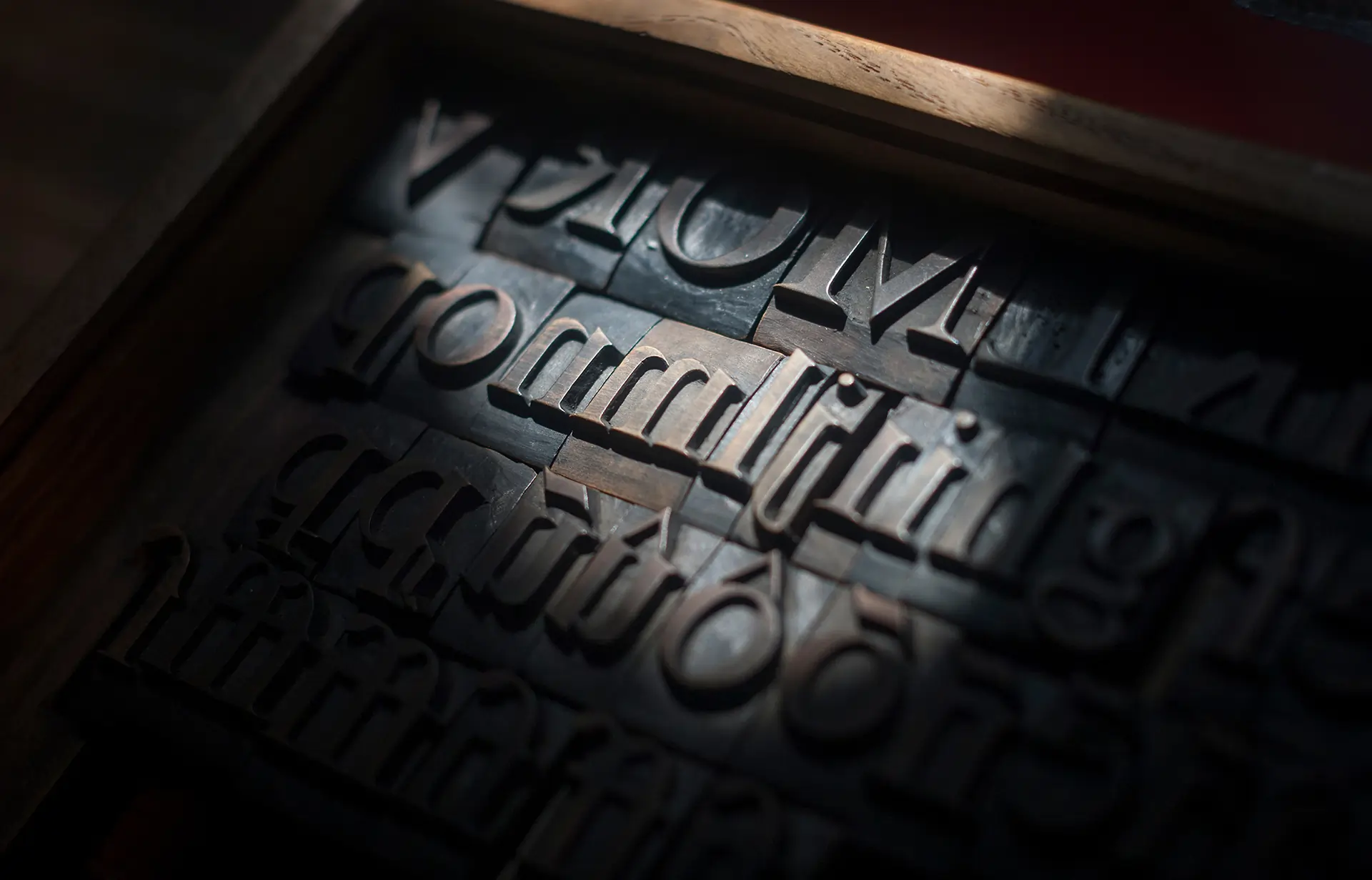
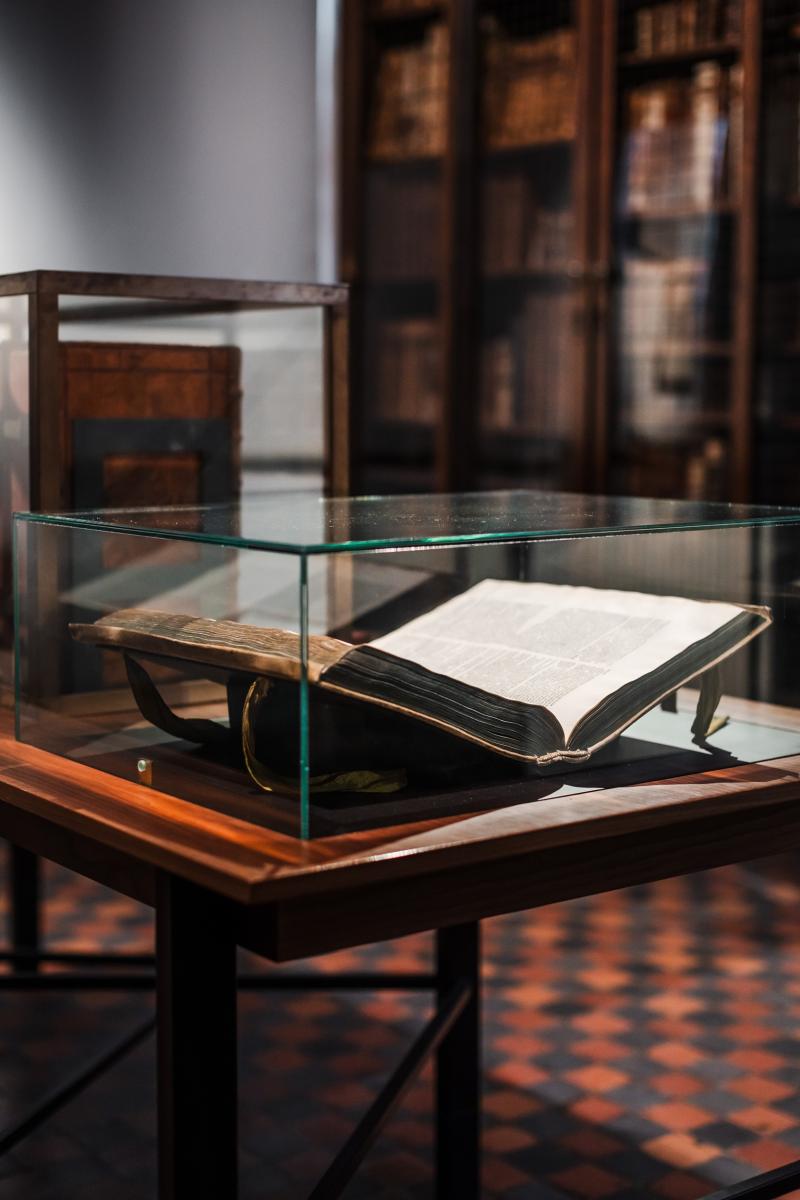
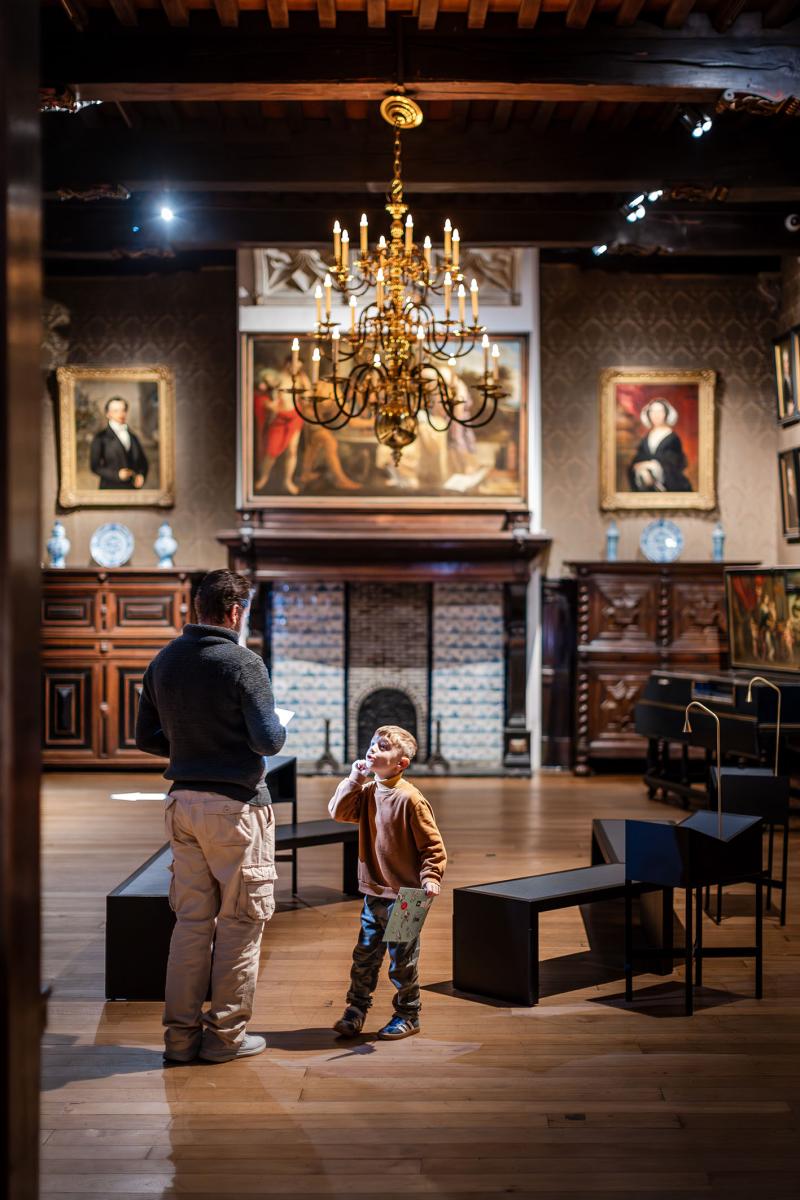
The Museum Plantin-Moretus conserves a multiple collections. Old printed books and manuscripts, printing presses and tools, paintings, prints and drawings, furniture and paintings and several archives.
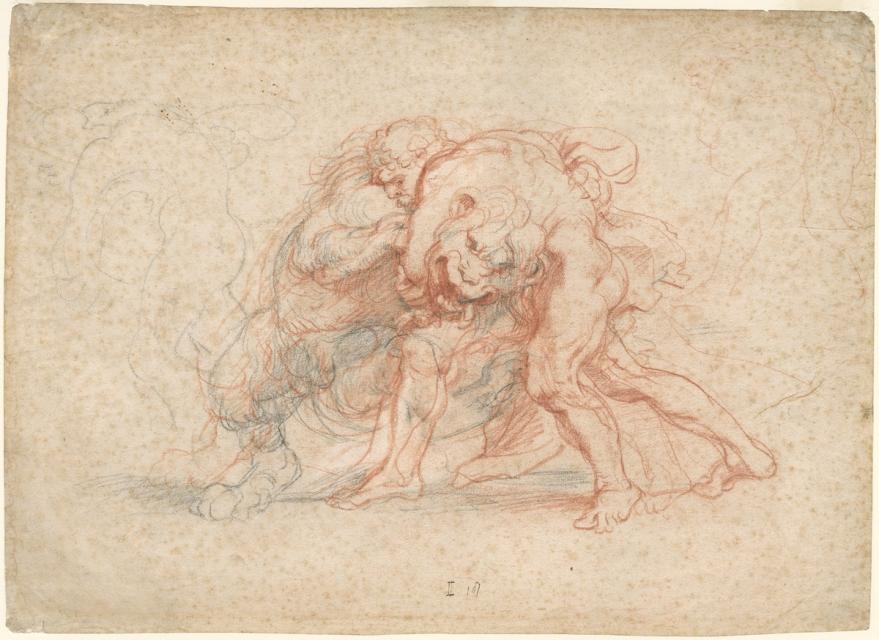
Rubens had a soft spot for the ancient hero Hercules. In this drawing, he bends forward slightly as he crushes the head of the Nemean Lion. In his attempt to find the ideal posture, Rubens gave Hercules three right and two left legs.
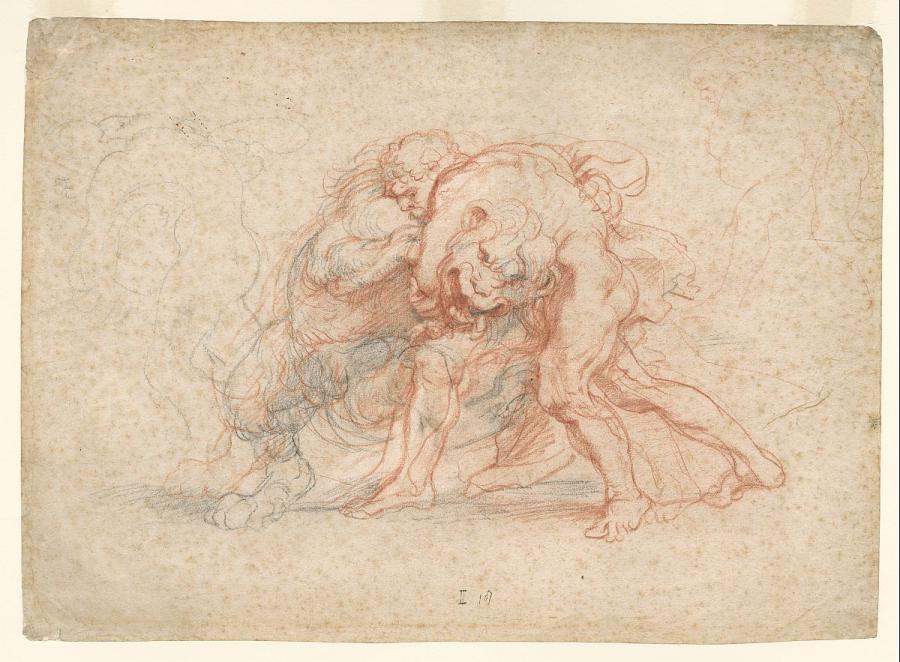
This drawing by Peter Paul Rubens (1577–1640), executed in red and black chalk, shows the ancient hero Hercules at its centre. He is depicted slightly bent forward, clutching the head of the Nemean lion with his left arm.
This theme, derived from one of the Twelve Labours of Hercules, was depicted by Rubens on several occasions. He sought a pose for the hero that would be acceptable from the artist’s point of view. This resulted in a Hercules with three right legs and two left legs.
The drawing has been dated by various art historians either to after 1630 or to around 1613–1616.