Books from then to now: a beginning without an end
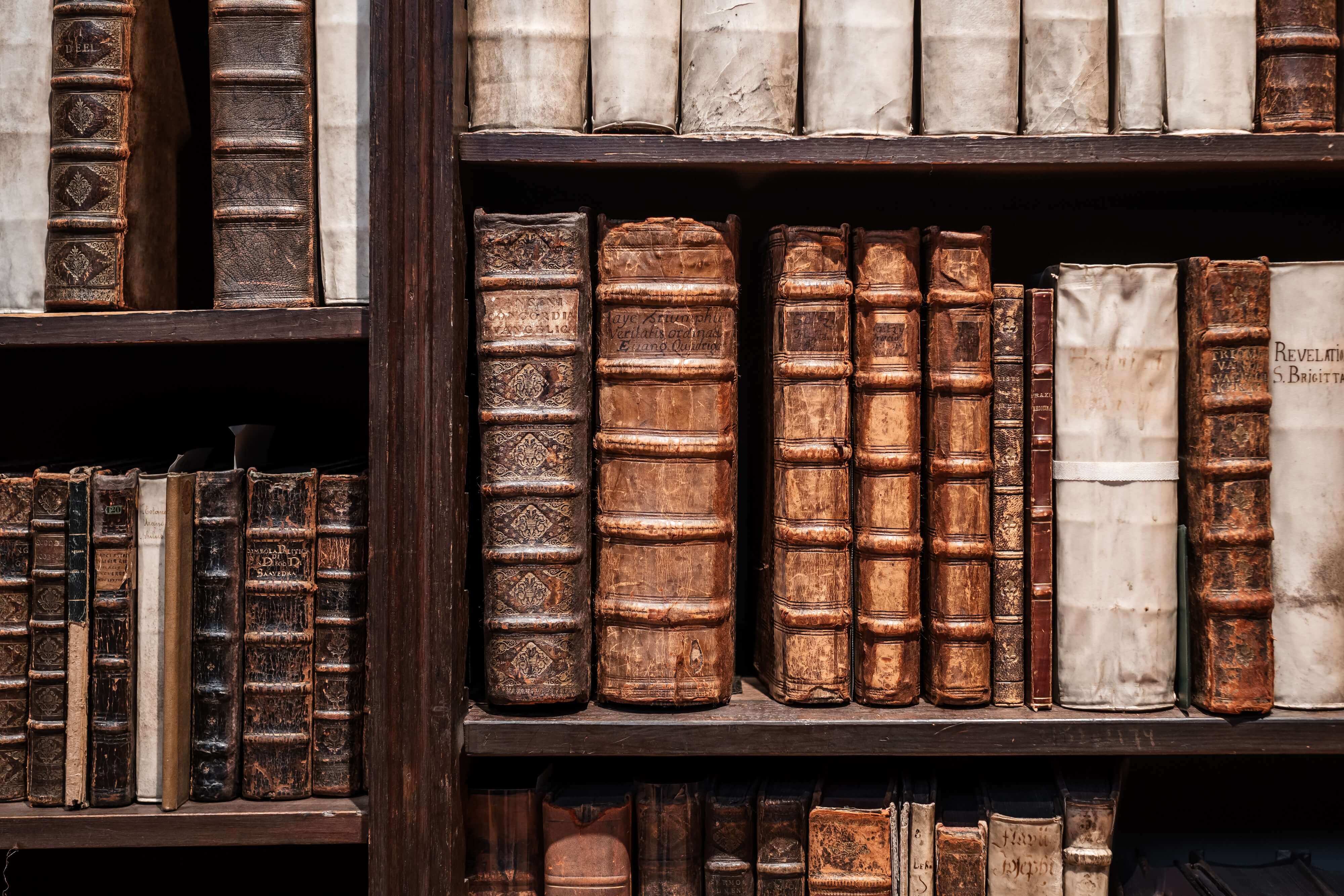
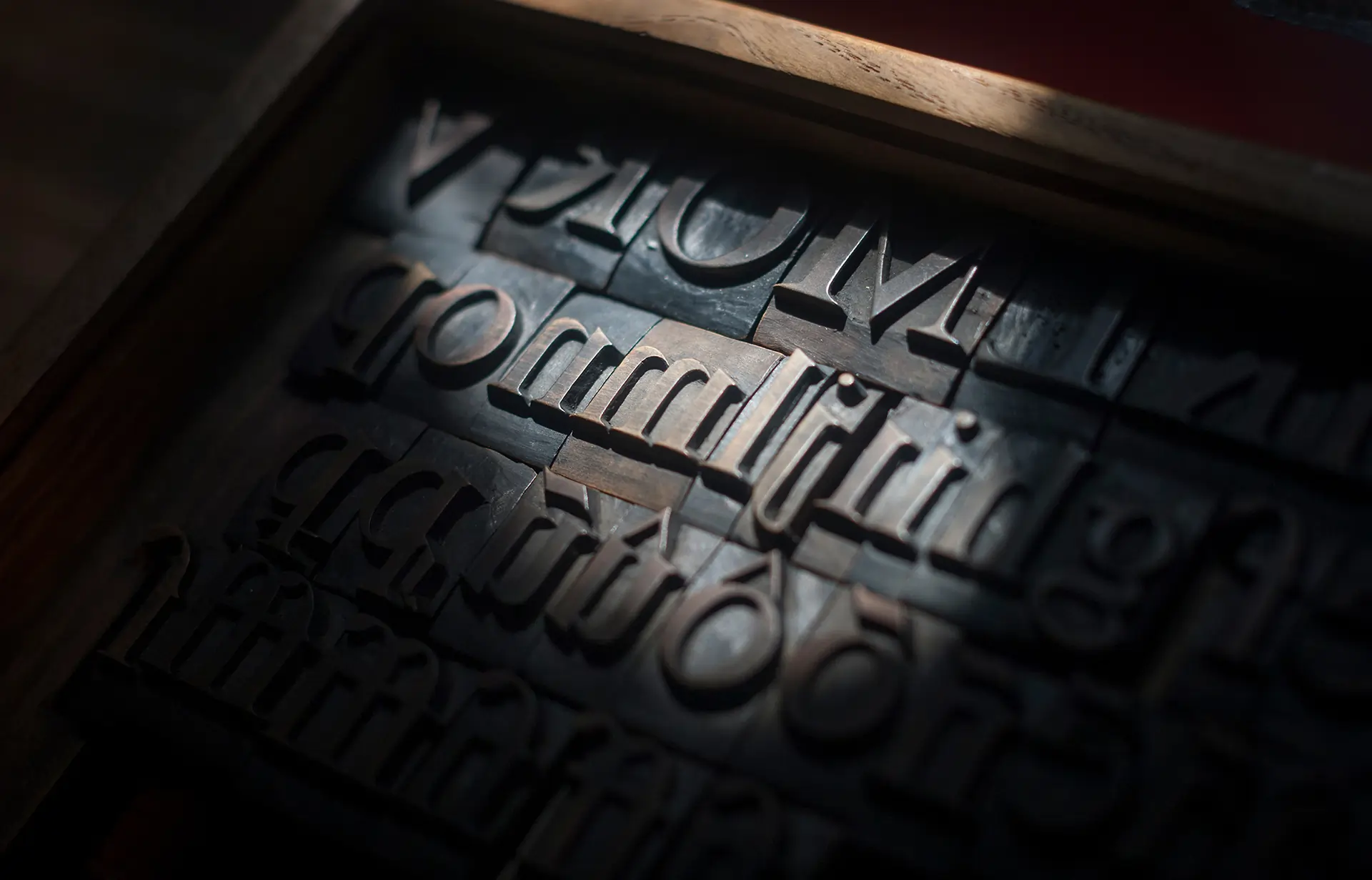
Since time immemorial, humans have been looking for ways to share information. As a practical species, we did this with whatever was at hand. First with our voices, gestures and other unwritten signs. But gradually, our communication took on a more permanent character. It started with markings in stone and wood, on papyrus and parchment. Until we learned to make paper for writing on. First in loose sheets, then as bound volumes. Books, in other words. Portable, compact when needed, and so useful that we still use them today. To delve into subjects such as history, science, religion and sport. Or to lose ourselves in imaginative, exciting and romantic stories. This is how printers such as Christophe Plantin created a new world. Not overnight, but over the course of centuries.