Archives
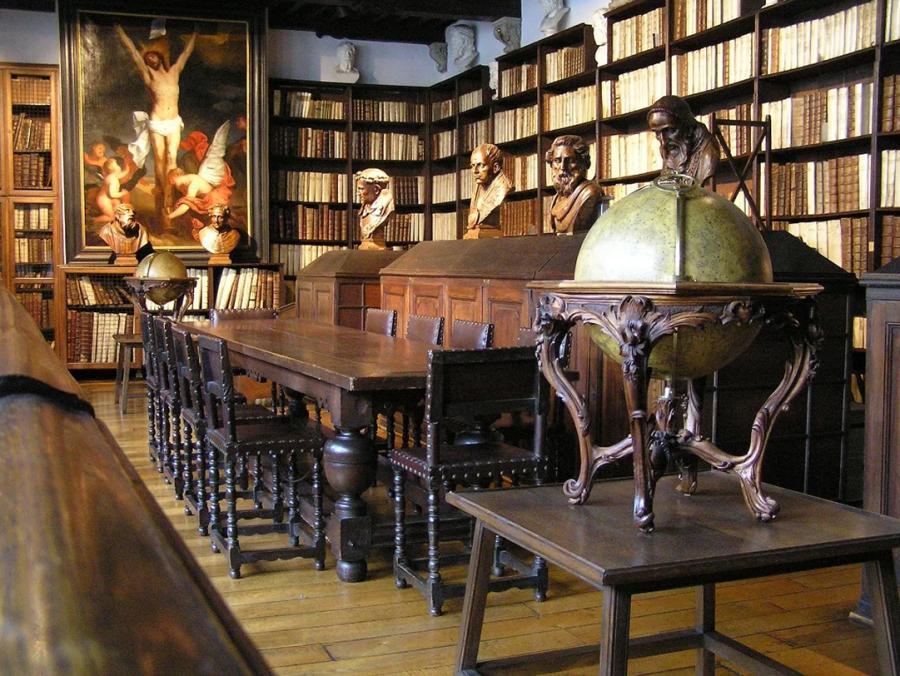
When exploring the history of De Gulden Passer, you’ve got three unique sources of information to rely on: the UNESCO-accredited company archives of the Officina Plantiniana, the 20th-century research archives, and the museum archives, built up since 1877. The thousands of testimonies, letters, diaries, invoices, and other documents offer in-depth insights into the day-to-day matters of the house and its inhabitants, as well as the printing office and its publications, throughout the different centuries.
The Plantin-Moretus Archive
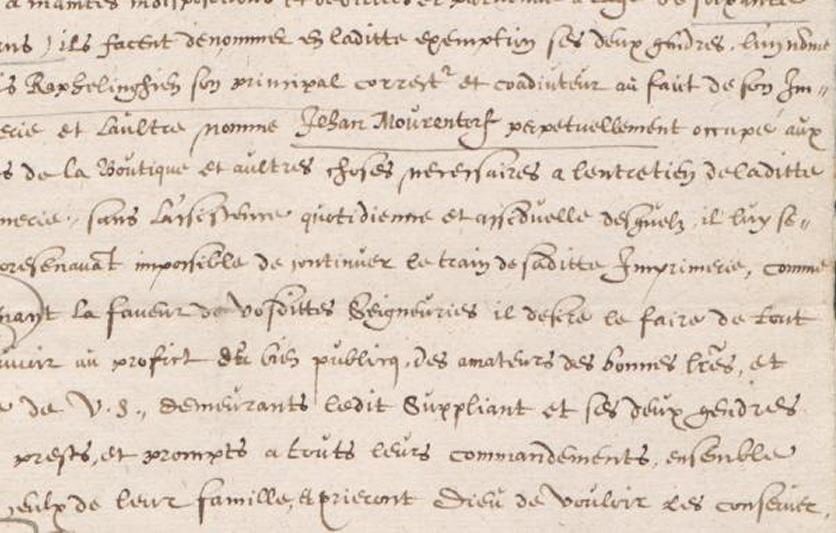
An archive that’s as complete, detailed, and fascinating as that of the Officina Plantiniana is a rare find. Listed on the UNESCO Memory of the World Register, the archive is labelled as a world documentary heritage site – and rightfully so. A staggering amount of knowledge is preserved here: 300 years of book printing history, captured in thousands of pages of correspondence, accounts, regulations, and complaints. Each record opens a window to a busy printing office where books rolled off the presses, ideas collided, and the world gradually transformed over time.
This archive – also classified as a Flemish Masterpiece – is a treasure trove for those wanting to learn about early modern history, from the Counter-Reformation to humanism, including socio-economic developments and scientific studies. All this knowledge, embedded in a rich tapestry and interwoven with the family and business archives of the Moretuses and their relations. How is it possible to keep track of it all? The answer lies in the Inventory of the Plantin Archive, which is over 100 years old and was established by former museum curator and historian Jan Denucé – still relevant, fully functional, and complementary to the new digital search environment.
Family Archives
The Schilders family archive preserves the stories of five generations of merchants – from Adriaan I Schilders, who supplied Spanish garrisons in the 16th century, to Paulus Franciscus Schilders, an 18th-century landlord. After his death, the archive was passed on for safekeeping to his Moretus cousins.
The business archive of Henri François Schilders (ca. 1640-1680) is by far the most extensive. A true businessman, he set up a European wholesale business in luxury goods based in Antwerp, selling diamonds, silk, lace, printed fabrics, sugar, and even tobacco. His network was extensive, with contacts reaching all the way to Peru.
In 1950, Count Charles Moretus-Plantin (1875-1960) donated his extensive collection of documents to the museum. The former mayor of Stabroek and distant descendant of the printing family stored countless administrative documents belonging to the Moretus, Geelhand, and De Theux families. These documents mainly consisted of paperwork relating to real estate in Antwerp, West-Flanders, Namur, and Liège, including notarial deeds, maps, floor plans, and architectural plans. With the charters in the archive, it was proven that the Geelhand family owned the manor of Merksem and the corresponding hamlet of Dambrugge.
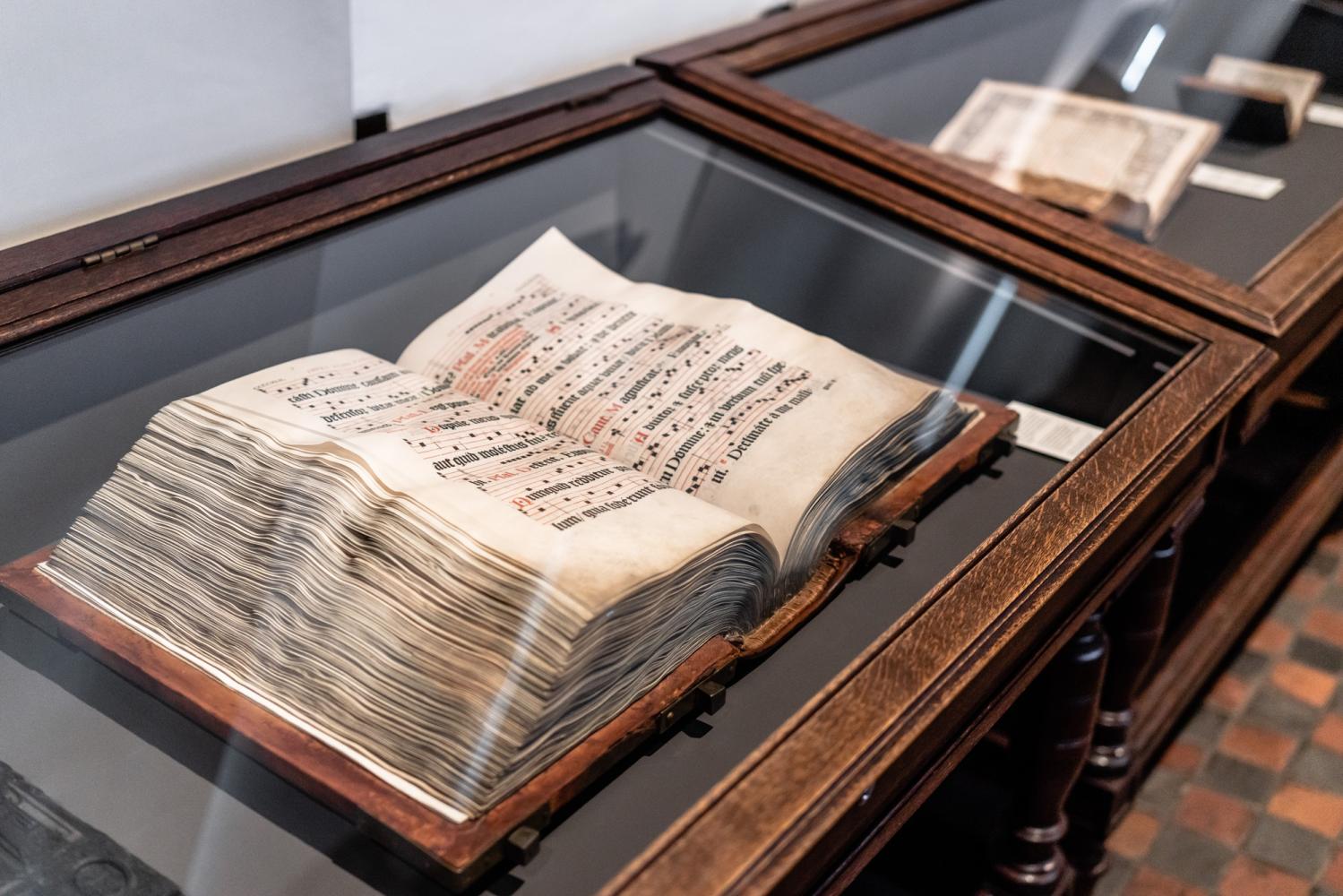
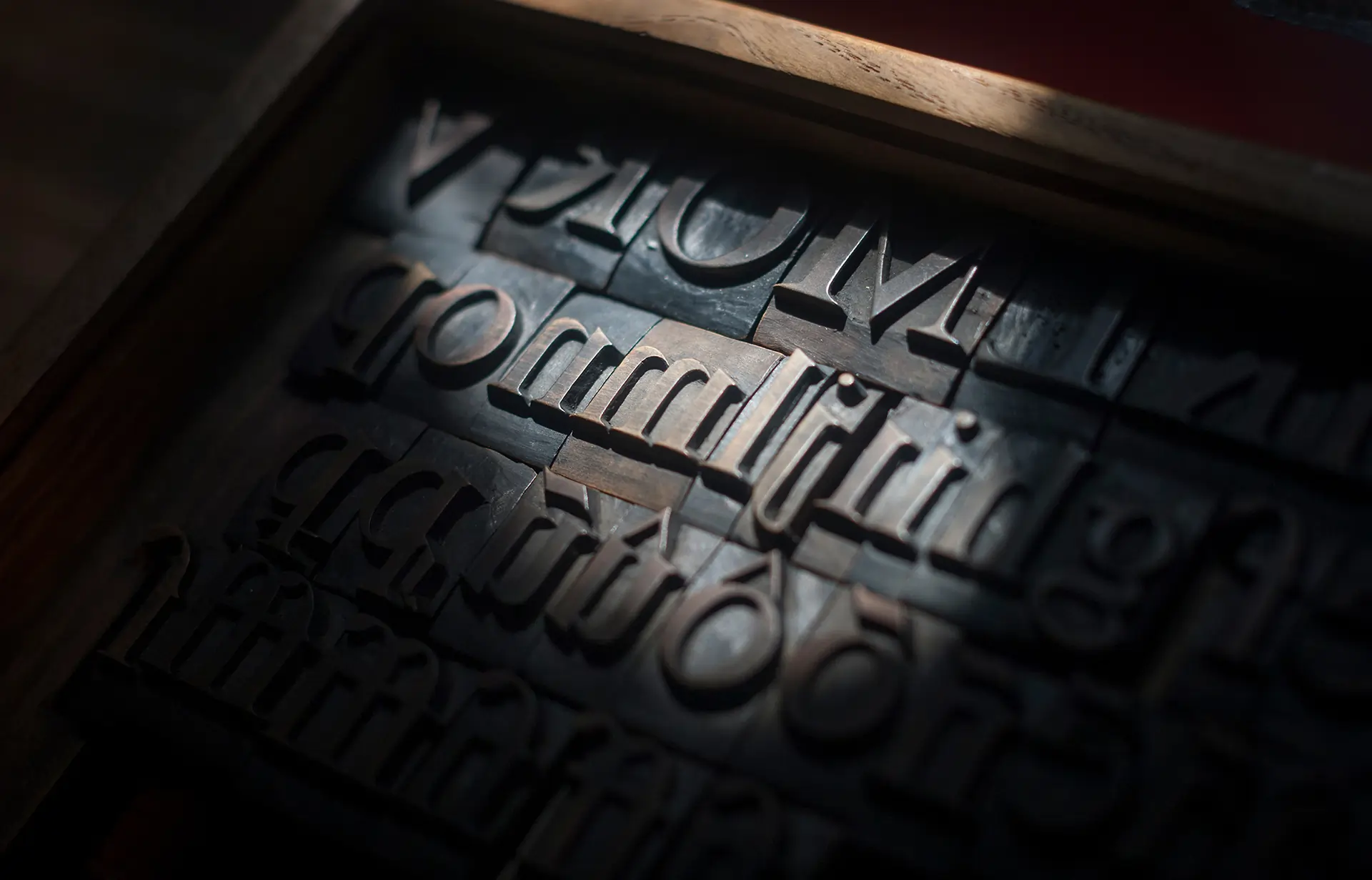
Intrigued about the origins and evolution of fonts such as Times New Roman and Arial? You’ve come to the right place. Hendrik Désiré Louis ‘Dis’ Vervliet (1923-2020) was an expert in 16th-century typography, internationally respected and a pioneer of modern librarianship with a lifelong passion for letters. This translated to an impressive research archive: both Vervliet’s complete archive as well as his working library were passed on to the museum. The vast documentation on early modern typefaces and the 1,300 books on type specimens provided essential insights into the museum’s collections of stamps and matrices.
The Berderen Rubbings Archive
How can you examine a book without opening it? Through its binding – precisely what fascinated Prosper Verheyden. At the start of the 20th century, he began collecting ‘rubbings’ from book bindings: paper imprints of decorations and panel stamps on leather bindings from the 15th and 16th centuries. Luc Indestege and his daughter, Elly Cockx-Indestege, continued his legacy.
The unique collection grew into a valuable research archive, devoted to the study of bookbinding art in the Low Countries and surrounding areas. Helpful additions were included in the form of photographs, publications, and correspondence. In 2012, Elly entrusted the archive to the museum: an understated, but meaningful resource for anyone wanting to get in ‘touch’ with the history of books.
The Museum Archive
A museum doesn’t only preserve history; it also helps write it. Since 1876, the Plantin-Moretus Museum has been building its own archive. Documents include information on how it is managed, the collection, and day-to-day operations. The Print Cabinet was a later addition in 1939.
Highlights include a file on the protection of valuable items during the Second World War and the correspondence of the first curator, Max Rooses (1840-1914), Rubens connoisseur, writer, and culture expert. His administrative archive is fully accessible. Later periods, however, are still being compiled. If you wish to find information on a period post-1914, we advise you to get in touch with the archive curator.
Four Collections in One Click
The Plantin-Moretus Museum, the Rubenshuis, the Letterenhuis, and the Mayer van den Bergh Museum have been working behind the scenes to set up a shared archive system with consistent terminology for people, organisations, and locations. Thanks to this collaboration, you can efficiently browse the archives of each museum, relying on compatible and dependable contextual information.
Tales of the Plantin Archive
How did Plantin and his successors find the right employees? Were they strict bosses? Did they already practise health and safety in the workplace? Where did the Moretus children go to school? What were their holiday gifts? Archive curator Kristof Selleslach answers these questions about life in De Gulden Passer in his blog. His sharp pen and eye for detail bring the Moretus family back to life – as real people, not just historical figures. Ready to step into their shoes?
Contact the Curator
Who looks after the archives?
S
Start Your Research in the Reading Room
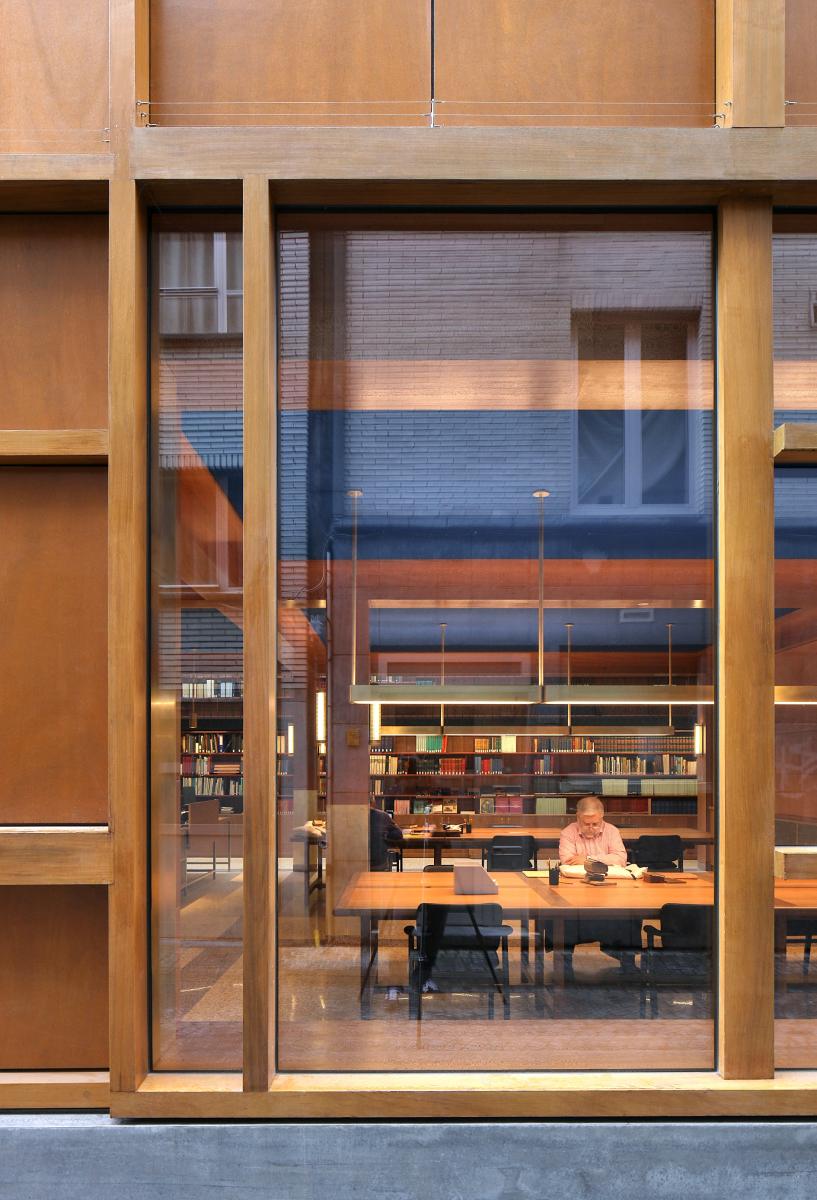
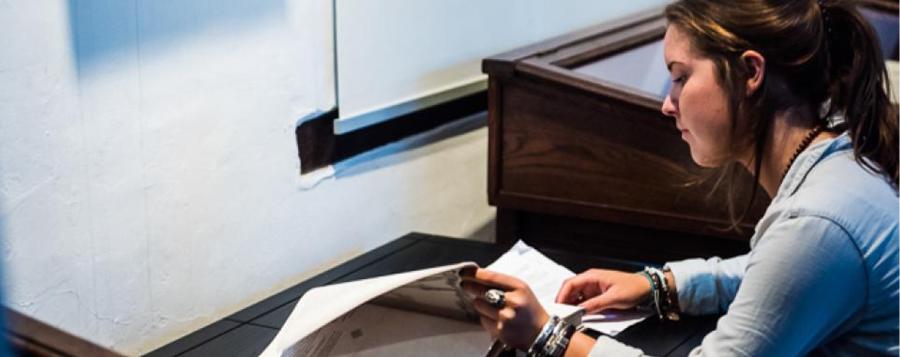
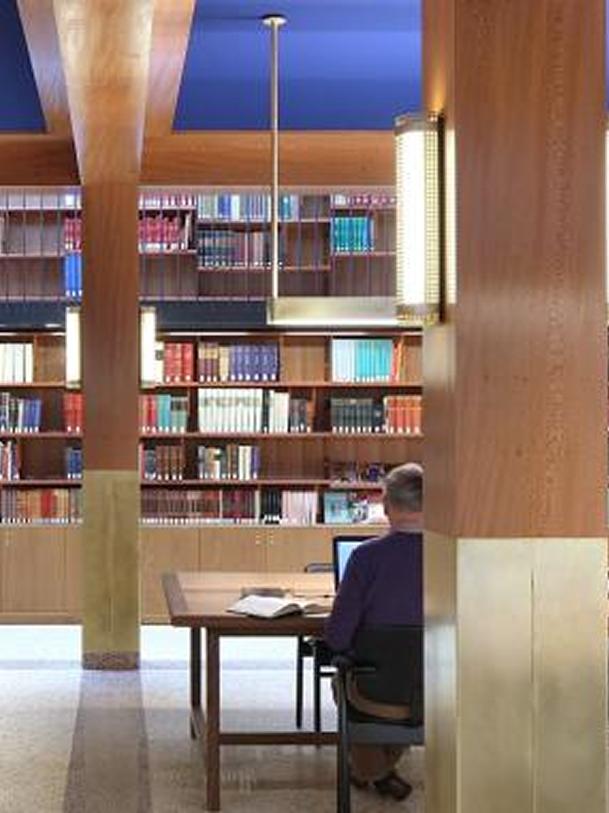
Looking for more insights? With an appointment for the reading room, you’ll be able to access books, letters, and maps from the Plantin-Moretus era: a gold mine for inquisitive minds, curious researchers, and fans of analogue printing.